

Cart
0
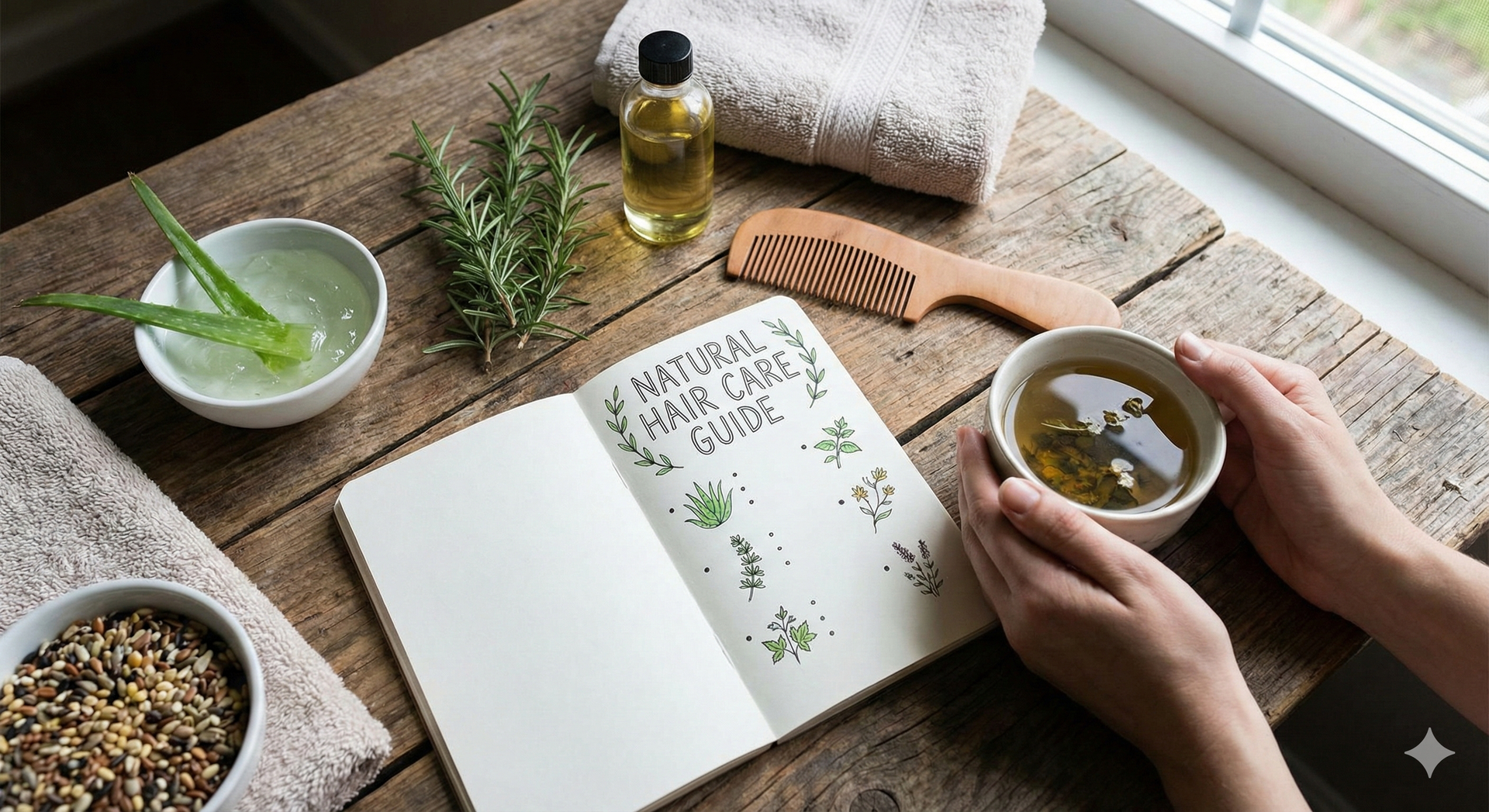
I still remember the morning I found clumps of hair on my pillow. Again. For weeks, I'd been watching my hairbrush fill up faster than usual, seeing more strands circle the shower drain, and feeling that quiet panic every time I ran my fingers through my hair. If you're reading this, you probably know exactly what I'm talking about.
Hair fall is one of those problems that feels deeply personal. It's not just about vanity, though; let's be honest, that's part of it. It's about feeling like your body is betraying you, not knowing why it's happening, and wondering if there's anything you can actually do about it.
The good news? There absolutely is. And you don't need expensive treatments or harsh chemicals to see real results.
Why Is Your Hair Falling Out? (Let's Talk Real Reasons)
Before we jump into solutions, we need to understand what's actually happening. Hair fall isn't just one thing; it's usually your body waving a red flag about something deeper.
The Normal vs. Not-Normal
First, let's get one thing straight: losing 50-100 strands a day is completely normal. Your hair has a natural growth cycle, and shedding is part of it. But if you're seeing significantly more than that, or noticing thinning patches, it's time to pay attention.
What Actually Causes Excessive Hair Fall?
Stress (The Silent Killer)
When you're stressed, your body produces cortisol, which can literally push your hair follicles into a resting phase. Remember that work deadline that had you pulling all-nighters? Or that family situation that kept you up at night? Your hair remembers too.
Your Scalp Microbiome Is Out of Balance
Here's something most people don't know: your scalp has its own ecosystem of bacteria and fungi. When this microbiome gets disrupted, by harsh shampoos, pollution, or overwashing, it can trigger inflammation and hair fall. This is why natural dandruff treatment at home often works better than chemical-laden products.
Nutritional Deficiencies
Your hair is literally made of protein. If you're not getting enough biotin for hair health, iron, zinc, or essential vitamins, your body will prioritise other organs over your hair. It's survival mode.
Hormonal Changes
Postpartum hair fall, PCOS, thyroid issues, and hormones are often the hidden culprits. If you're a woman experiencing hair thinning solution needs, getting your hormones checked should be step one.
Environmental Damage
The summer heat, monsoon humidity, winter dryness, and pollution, every season bring its own challenges. That's why having a hair care routine for thin hair that adapts to the weather is crucial.
The Ayurvedic Approach: Understanding Your Dosha
Here's where things get interesting. Ayurveda has been treating hair fall for thousands of years, and modern science is finally catching up to why it works.
What's Your Hair Type According to Ayurveda?
Vata Dosha (Dry, Rough, Brittle Hair)
If your hair is naturally dry, gets tangled easily, and breaks often, you're likely Vata-dominant. Vata dosha hair problems solutions focus on deep nourishment and moisture retention. You need heavy, warming oils and intensive conditioning.
Pitta Dosha (Fine, Thin, Premature Greying)
Pitta types often deal with premature greying, hair thinning at the temples, and scalp sensitivity. Pitta dosha hair thinning responds best to cooling herbs and stress management.
Kapha Dosha (Oily Scalp, Strong Hair)
If you have an oily scalp but your hair itself is thick and strong, you're Kapha-dominant. Kapha dosha scalp issues usually involve excess oil production and potential dandruff.
Understanding your dosha isn't just ancient wisdom; it's personalised medicine. It's why the same solution doesn't work for everyone.
Natural Remedies That Actually Work (I've Tried Them All)
Let's get into the practical stuff. These aren't just random home remedies your grandmother mentioned once; these are evidence-backed solutions that work.
1. The Power of Ayurvedic Oils
Vanyam's Ayurvedic Hair Revival Oil
If there's one remedy I swear by, it's this. Vanyam's Hair Revival Oil contains 9 herbal extracts in a traditional sesame base, Amla and Bhringraj, plus Jatamansi, Shikakai, Shankhpushpi, Mehandi, Mulethi, Neem, and Bilva. This isn't just oil; it's a complete scalp care system infused with 100% herbal actives. The amla benefits for hair include being loaded with vitamin C and antioxidants that strengthen hair follicles, while Bhringraj, called the "king of herbs" in Ayurveda, actively prevents and reverses hair loss.
How to use: Warm the oil slightly (not too hot), section your hair, and massage it into your scalp for 10-15 minutes using circular motions. Leave it on for at least 1 hour or overnight. Use 2-3 times a week for best results. The fact that it's safe for daily use on all hair types and has no parabens, mineral oil, or synthetic fragrance makes it perfect for consistent use.
Brahmi for Stress-Related Hair Fall
Brahmi is incredible for stress-related hair fall. It calms your nervous system while nourishing your follicles. If you're dealing with hair loss due to anxiety or tension, look for products containing Bacopa monnieri (Brahmi's scientific name). Vanyam's formulations include Brahmi in both their Hair Revival Oil and Restorative Hair Serum. Specifically for this reason, it regenerates safely while addressing the root cause of stress-induced shedding.
2. Hair Serums That Actually Work
Vanyam's Restorative Hair Serum
This is a game-changer for daytime hair care. Unlike heavy oils, this serum is lightweight and perfect for all skin types. It contains 200mg Bhringraj, 150mg Amla, 100mg Brahmi, plus Aloe Vera Extract, Tea Tree Oil, Almond Oil, Coconut Oil, Wheatgerm Oil, and Jojoba Oil, all in a 10ml serving.
The genius of this formulation is that it detangles precious hair, prevents breakage, smoothens and softens hair, making it manageable, and keeps hair open all day without frizz while providing visible shine and gloss finish. It actually reduces tangles and breakage compared to untreated hair.
How to use: Take an appropriate amount and massage it into hair and scalp with your fingers so it reaches the roots. Use on damp hair after washing or on dry hair throughout the day. Because it's frizz-free with a gloss finish, you can apply it before heading out without looking greasy.
2. Scalp Massage for Hair Growth (Don't Skip This)
This is the most underrated hair care tip out there. A proper scalp massage for hair growth increases blood circulation, which means more nutrients reach your follicles.
The Right Technique:
- Use your fingertips (not nails)
- Apply medium pressure in circular motions
- Start from the front hairline, move to the crown, then the sides and back
- Spend at least 5-10 minutes
- Do this daily, with or without oil
The key is consistency. Think of it as a daily meditation that happens to grow your hair.
3. Deep Conditioning Hair Treatment at Home
Once a week, your hair needs serious TLC. Here's my go-to deep conditioning treatment:
DIY Hair Mask Recipe:
- 2 tbsp coconut oil or argan oil (coconut oil vs argan oil hair, both work, choose based on your hair type)
- 1 tbsp aloe vera gel
- 5-6 curry leaves (crushed)
Mix everything, apply from roots to tips, cover with a shower cap, and leave for 45 minutes. Rinse with cool water and a mild sulfate-free shampoo.
4. Neem Benefits for Scalp Health
If you're dealing with dandruff or scalp itching, neem is your answer. Neem benefits for the scalp include antibacterial and antifungal properties that clean your scalp without stripping it.
You can use our Vanyam's Natural Hair Revitalizing Shampoo for dandruff, it has neem and gently cleanses the scalp without stripping away the natural oil or nourishment.
5. Deep Conditioning That Transforms
Vanyam's Nourishing Ayurvedic Conditioner
After you've cleansed with a gentle shampoo, your hair needs replenishment. Vanyam's conditioner contains Hibiscus rosasinsensis flower (Dasani) 1% w/w and Aloe barbadensis leaves (Kumari) 1% w/w in a Polyquaternium 10 perfumed cream base and crucially, no added colours.
This sulfate and paraben-free conditioner deeply nourishes and softens dry, brittle strands, strengthens hair, reducing breakage, smoothens frizz and restores natural shine, shields hair from environmental damage and daily stress, and is gentle enough for all hair types. What's remarkable is that herbal formulations like this tend to change colour over time, but the efficacy remains the same; that's the mark of truly natural ingredients.
After shampooing, gently squeeze out excess water from your hair. Apply a generous amount of conditioner from mid-length to ends (avoid roots if you have an oily scalp). Leave it on for 5 minutes and gently detangle with your fingers. Rinse thoroughly with water. Use regularly for soft, manageable, and nourished hair.
Building Your Natural Hair Care Routine
Here's the truth: there's no magic overnight solution. But a consistent, natural hair care routine will give you results that actually last.
Daily Routine
Morning:
- Brush gently with a wide-tooth comb
- If you wash your hair, use Vanyam's Natural Hair Revitalizing Shampoo (sulfate-free and paraben-free)
- Apply Vanyam's Nourishing Ayurvedic Conditioner (leave for 5 minutes)
- On damp hair, apply a small amount of Vanyam's Restorative Hair Serum (focus on mid-lengths to ends, not roots if you have an oily scalp)
Evening:
- 5-10 minute scalp massage for hair growth (with or without oil)
- If it's your oil night, apply Vanyam's Ayurvedic Hair Revival Oil and leave overnight (or minimum 1 hour)
Weekly Routine
- 2-3x: Oil massage with Vanyam's Hair Revival Oil and leave overnight (or minimum 1 hour before washing)
- 1x: Deep conditioning treatment, leave Vanyam's Nourishing Conditioner on for 10-15 minutes instead of just 5
- 1x: Scalp exfoliation with natural ingredients (fenugreek paste, or shikakai powder mixed with water)
- After every wash: Always follow shampoo with Vanyam's Nourishing Conditioner
Monthly Checkpoints
- Trim split ends (treatment for split ends isn't just about products; regular trims matter)
- Take progress photos
- Adjust your routine based on what's working
Seasonal Hair Care Strategies
Your hair needs different things at different times of the year. Here's how to adapt:
Monsoon Hair Care (July-September)
The humidity frizz solution you need: This is where Vanyam's Restorative Hair Serum really shines. Apply it to damp hair after washing to keep your hair frizz-free all day. During monsoons, you might need to wash your hair more frequently to prevent fungal growth. Stick with Vanyam's Natural Hair Revitalizing Shampoo since it's gentle enough for frequent use and contains Tea Tree Oil, which has natural antifungal properties. Hair care for the monsoon season means keeping your scalp clean and dry while managing frizz.
Summer Protection (March-June)
Hair care for summer heat focuses on UV protection and hydration. The Aloe Vera in Vanyam's Restorative Hair Serum and Nourishing Conditioner provides that cooling, hydrating effect your hair desperately needs in the heat. Apply the serum before going outdoors, it creates a protective layer. Use Vanyam's Hair Revival Oil with Amla and Bhringraj for weekly deep nourishment treatments to repair any sun damage.
Winter Nourishment (October-February)
Your winter hair care routine should be all about moisture. Use Vanyam's Hair Revival Oil more frequently in winter, 3-4 times a week if needed. The sesame base oil is particularly warming and nourishing for winter months. Wash less frequently (2x per week maximum) to prevent stripping natural oils. Always follow with Vanyam's Nourishing Conditioner and seal with a bit of Restorative Serum on the ends. The cold air and indoor heating can severely dry out your scalp and hair, so this triple-layer protection is essential.
The Internal Approach: Supplements and Nutrition
You can't out-treat a bad diet. What you eat directly impacts your hair health.
Best Supplements for Hair
Vanyam's Restorative Capsules
When topical treatments aren't enough, internal support becomes crucial. Vanyam's Restorative Capsules are formulated specifically for hair health with Bhringa (Eclipta prostrata) 100mg, Amalaki (Phyllanthus emblica) 100mg, Brahmi (Bacopa monnieri) 50mg, Ashwagandha (Withania somnifera) 50mg, Shankhpushpi (Convolvulus prostratus) 50mg, Aloe Vera (Aloe barbadensis Mill.) 50mg, Kala Til (Sesamum indicum) 20mg, Agathi (Sesbania grandiflora) 20mg, and excipients.
These capsules help maintain healthy hair, are useful in preventing hair fall, and help prevent premature greying. The combination of adaptogenic herbs like Ashwagandha addresses stress-related hair loss, while Brahmi and Bhringraj work on the follicular level.
Dosage: One capsule twice a day with mineral water or as directed by a physician. This is nature's defence for your hair from the inside out.
Additional Biotin Supplement for Hair Growth
If you're dealing with significant hair fall beyond what Ayurvedic supplements address, adding a standalone biotin supplement can help. Aim for 2.5-5mg daily.
Collagen Supplement for Hair Women
Collagen benefits for hair include improved hair structure and thickness. Collagen provides the amino acids your body needs to build hair proteins. Consider adding this if you're over 30, when natural collagen production decreases.
Foods That Prevent Hair Fall
- Protein-rich: Eggs, lentils, chickpeas, fish
- Iron sources: Spinach, beetroot, dates, jaggery
- Omega-3s: Walnuts, flaxseeds, chia seeds
- Biotin-rich: Almonds, sweet potatoes, mushrooms
- Vitamin C: Amla, citrus fruits, bell peppers
The hair graying prevention natural approach also involves these same nutrients, strong, healthy hair rarely goes grey prematurely.
What to Avoid (This Is Just As Important)
Products to Ditch
- Chemical-laden shampoos with sulfates and parabens (Switch to Vanyam's sulfate-free Natural Hair Revitalizing Shampoo)
- Silicone-heavy conditioners that build up (Vanyam's conditioner is paraben-free with natural ingredients)
- Products with synthetic fragrances and added colors
- Heat styling tools used daily
- Tight hairstyles that cause traction alopecia
- Overwashing (more than 3 times a week for most people)
Lifestyle Habits That Damage Hair
- Sleeping with wet hair
- Rubbing hair aggressively with a towel
- Brushing wet hair (use a wide-tooth comb instead)
- Chlorinated pool water without protection
- Constant ponytails in the same spot
How to Know If It's Working
You won't see results overnight, but here's what to look for:
Week 2-3: Less hair in your brush and shower drain
Month 1-2: New baby hairs at your hairline
Month 3-4: Noticeable reduction in hair fall
Month 6+: Visible increase in hair density and thickness
Take monthly photos. Trust me, it's easy to forget where you started, and progress photos keep you motivated.
When to See a Doctor
Natural remedies work for most cases of hair fall, but sometimes you need professional help. See a dermatologist or trichologist if:
- You're losing hair in patches (could be alopecia areata)
- You have sudden, severe hair loss
- You notice scalp inflammation, redness, or pain
- Natural remedies haven't helped after 6 months
- You suspect a hormonal issue or medical condition
There's no shame in seeking help. In fact, combining medical treatment with natural care often gives the best results.
The Mind-Body Connection (Don't Ignore This)
Here's something we rarely talk about: stress is probably the biggest contributor to hair fall in modern life. You can use all the right products, but if you're constantly stressed, your hair will keep falling.
Stress Management for Hair Health
- Meditation: Even 10 minutes daily makes a difference
- Yoga: Specifically, inverted poses that increase blood flow to the scalp
- Sleep: 7-8 hours non-negotiable
- Adaptogenic herbs for hair health: Ashwagandha, holy basil, and brahmi help your body manage stress
Your hair wellness mindfulness practice is as important as your topical treatments.
Creating Your Personalised Action Plan
Okay, I know I've thrown a lot at you. Let's make this actionable.
Week 1: Start with a daily scalp massage and switch to Vanyam's Natural Hair Revitalizing Shampoo (sulfate-free)
Week 2: Add oil treatments 2x weekly with Vanyam's Hair Revival Oil
Week 3: Introduce Vanyam's Nourishing Conditioner after every wash, and Restorative Serum for daily frizz control
Week 4: Start Vanyam's Restorative Capsules (one capsule twice daily) if needed
Month 2 onwards: Fine-tune based on your results, you might increase oil treatments or adjust washing frequency
Remember your dosha-based hair care routine, customize everything to your specific hair type and concerns.
The Real Talk
Look, I'm not going to promise you'll have Rapunzel hair in a month. Hair growth takes time, about 6 inches per year at best. But reducing hair fall? That you can see relatively quickly if you're consistent.
The beauty of natural, Ayurvedic remedies like Vanyam's range is that they work with your body, not against it. You're not just masking the problem with silicones and temporary fixes; you're actually healing the root cause. Whether your hair fall is due to stress, nutrition, hormones, or environmental factors, the natural approach addresses all of these holistically.
Vanyam's "Timeless Beauty, Rooted in Ayurveda" philosophy is exactly this: taking ancient wisdom that has worked for thousands of years and backing it with modern quality standards (ISO 9001:2015 & GMP Certified). When you use products that are genuinely free of sulfates, parabens, mineral oils, and synthetic fragrances, you're giving your hair what it actually needs, not what marketing tells you it needs.
Your Hair Growth Journey Starts Now
This is your solution for the hair fall problem, a complete, natural, science-backed approach that respects both ancient Ayurvedic wisdom and modern research.
Start small. Pick 2-3 things from this guide and do them consistently for a month. Once those become habits, add more. The best hair care routine is the one you'll actually stick to.
Your hair is a reflection of your overall health. When you take care of your body from the inside out, use clean, natural products, manage your stress, and give yourself time, the results will come.
And six months from now, when you're running your fingers through thicker, healthier hair, you'll be glad you started today.
Frequently Asked Questions
How long does it take to see results from natural hair fall remedies?
Most people notice reduced shedding within 4-6 weeks. New hair growth becomes visible around the 3-4 month mark. Hair grows slowly, so patience and consistency are key.
Can natural remedies work as well as medical treatments?
For mild to moderate hair fall, natural remedies can be equally effective and often have fewer side effects. Severe cases may benefit from combining natural approaches with medical treatments under professional guidance.
How often should I oil my hair?
For most people, 2-3 times per week is ideal. Vata types can go up to 4 times weekly, while Kapha types might do better with once or twice weekly.
Is hair fall worse during certain seasons?
Yes, many people experience increased shedding during monsoon and autumn. This is normal, but proper seasonal care can minimise it.
What's the difference between hair serum and hair oil?
Hair serums are lighter, water-based products that coat the hair shaft to reduce frizz and add shine. Oils penetrate deeper to nourish the scalp and hair follicles. Both serve different purposes in a complete hair care routine.
Can stress alone cause hair fall?
Absolutely. Stress-induced hair fall is called telogen effluvium, where stress pushes hair follicles into a resting phase. Managing stress through adaptogenic herbs and lifestyle changes can reverse this.
Do I need to take supplements if I eat a balanced diet?
Not necessarily, but many people don't get optimal amounts of hair-supporting nutrients from diet alone. If you eat well and still experience hair fall, supplements might help fill the gaps.
Ready to transform your hair naturally? Start with understanding your dosha type and build your personalized routine from there. Remember, every small step counts, and your hair will thank you for the patience and care you're giving it.


